Main Day One | Wednesday, April 27, 2022
Introduction & Update
7:30 am - 9:00 am
Registration & Breakfast
Fuel yourself for the day! Pickup some breakfast and your event pass
8:30 am - 8:45 am
Automotive IQ Welcome and Chair Persons Remarks
Josh Vowles -
Conference Producer,
Automotive IQ
Dr. Håkan Sivencrona - Chief Safety Officer, Zenseact

8:45 am - 9:25 am
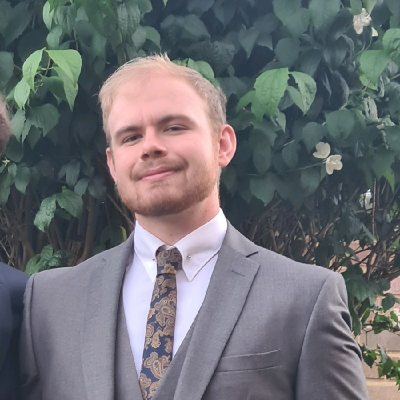
Keynote | SOTIF First Edition Update
Anders Sandberg -
System Architect,
Aptiv
The ISO 21448 standard has more than doubled in size since its official release, with nearly an additional one-hundred pages being added. A recurring question being asked right now, 'What has changed?'.
Return to the SOTIF scene with a breakfast briefing looking to the first official release of ISO 21448, detailing exactly what has changed and why? And what it means for the industry moving forward.
Hear from a workgroup contirbutor as they answer your burning quesitons, gaining the inside scoop on:
- What's changed in the first official release of ISO 21448 compared to the draft version
- The context for over doubling the pages in the standard
- What does the first release mean for ADs and ADAS infrastructure in achieving beyond level 2 AVs

Implementing SOTIF
9:25 am - 10:45 am
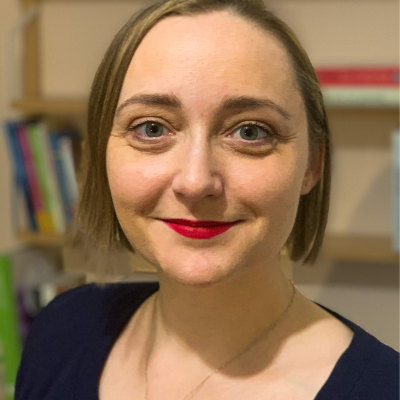
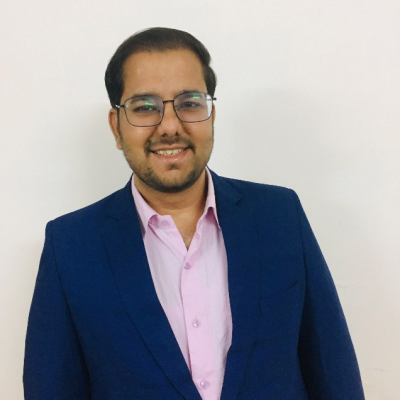
Case Study: Implementing SOTIF
Nikhil Bogam -
Technical Lead,
Faurecia Clarion Electronics
Anne Pacary - Head of Functional Safety and Cyber Security, Faurecia Clarion Electronics
Sunny Menghani - Functional Safety Engineer, Faurecia Clarion Electronics
Join Faurecia as they share real-world strategies on how to effectively roll-out implementation of SOTIF:
- How to prepare and implement the latest revision of the new ISO 21448 standard
- How existing infrastructure integrated with the new requirements of ISO 21448 – what the company had to change internally to accommodate SOTIF
- Understand the companies’ best practices in constructing a framework for SOTIF implementation
- How to upgrade your employee technical background and experience to meet the latest terms, technology, and practices in SOTIF analysis

10:45 am - 11:15 am
Morning Refreshments & Networking Break
Refuel with a coffee, and catchup with fellow attendees!
11:15 am - 11:55 am
Panel | How do I set my Targets and Criteria Against the SOTIF Standard?
Dr. Håkan Sivencrona -
Chief Safety Officer,
Zenseact
Emrah Eminoğlu - Head of Safety, TomTom
Anne Pacary - Head of Functional Safety and Cyber Security, Faurecia Clarion Electronics
Join Industry experts as the initiate a dialogue over the need for a checklist in SOTIF implementation and analysis, but also the optimal approach to establishing criteria in light of the new first release of ISO 21448.
Join us to hear:
- The need for an agreed checklist for SOTIF implementation and analysis
- What it means to establish and achieve targets in product SOTIF implementation
- How 21448 has progressed from the to first version in providing a route for a idealistic approach to SOTIF
- Success versus failure in the use case functional range chart
Evaluating SOTIF
11:55 am - 12:35 pm
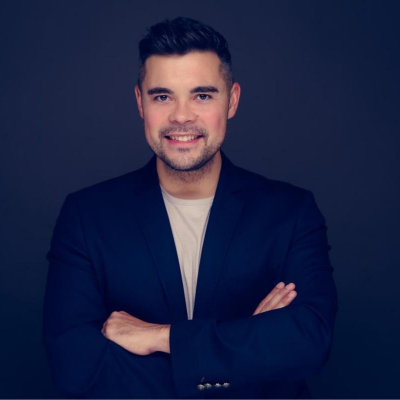
AUTOSAR System and Platform Health Management in SOTIF Context
Rinat Asmus -
AUTOSAR Chairperson,
BMW Group

12:35 pm - 1:15 pm
SOTIF Validation Area 2: Evaluating Known Hazardous Scenarios
Dr. Siddartha Khastgir -
Head of Verification & Validation,
WMG, University of Warwick
Area 2 of ISO21448 concerns the ability to evaluate known, unsafe scenarios. Begging the question as to whether the known scenarios are sufficiently covered? Do the systems and components behave as should be expected?
Join us to discover optimal ways to implement known hazardous scenario testing. Ensuring SOTIF in product design.
- Defining and authenticating the validation of SOTIF
- Determining the sufficient cover of the known unsafe scenario, that the components and functions are behaving as they should
- Best and latest methods and technologies for executing Area 2 evaluation


1:15 pm - 2:15 pm
Lunch, Curated Networking & Tech Demos
Touch base with your team members, make new connections or both! Get chatting over lunch
2:15 pm - 2:55 pm
SOTIF Validation Area 3: Evaluating Unknown Hazardous Scenarios
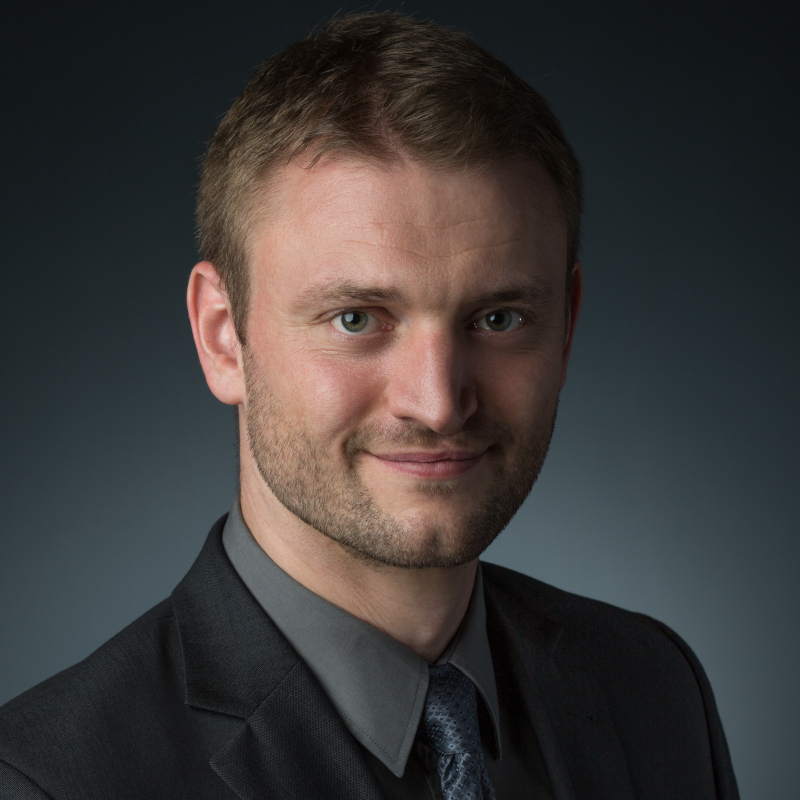
Dr Christian Schwarzl -
Head of Dependable Systems Group - Electrics, Electronics and Software,
Virtual Vehicle Research Center
Unlike Area 2, Area 3 concerns unknown, unsafe hazardous scenario. Scenarios that are essentially infinite in scope provides a troubling task for validating a systems SOTIF.
After all, conducting SOTIF validation is not like building a table, repetition of the same task will not necessarily lead to the same results. A minor change in a simulation, or amendments to a scenario that is uncovered in the ADs or ADAS infrastructure can cause unintended, and potentially harmful consequences. So how can we prepare for infinite possibilities?
Join us to hear:
- Technical solutions at the forefront of testing Area 3 SOTIF evaluation of unknown hazardous scenarios
- Capabilities available to further cover hazardous beyond the production queue
- How to achieve sufficient security and knowledge that your components are acting as they should to mitigate risk
- Subsequent improvements in simulation technology to allow for further and more thorough testing in establishing component compliance
Dr Christian Schwarzl
Head of Dependable Systems Group - Electrics, Electronics and SoftwareVirtual Vehicle Research Center
Accepting Risk
2:55 pm - 3:35 pm
The Vehicle Motion and Position Sensor
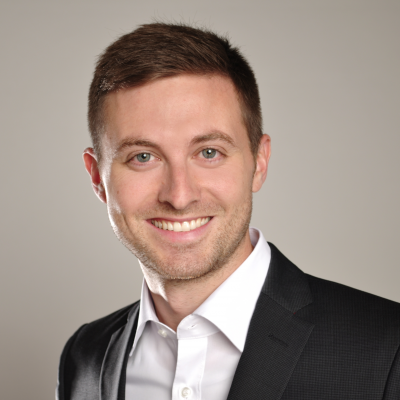
Dr Marco Limberger -
SOTIF Expert,
Robert Bosch
The Vehicle Motion and Position Sensor (VMPS) is a precise and safe GNSS/IMU positioning system for highly automated driving intended for the use-case highway. It comprises a GNSS receiver, high performance IMU, a dense worldwide GNSS correction service network and sophisticated algorithms to achieve the required performance, availability, and safety. An international, globally distributed team of system, software, hardware, and correction service engineers together with leading industry partners is developing this automotive safe positioning system for highly automated driving.
- Test drive validations for nominal driving conditions or specific corner case situations making a vehicle setup mandatory
- Fault-tree Analysis supported by Hardware in the loop (HIL) fault injections tests for verifying the impact of hazardous events with rather low occurrence probability or exceptional faults
- Model in the Loop Monte-Carlo simulations to cover degraded environmental conditions and sensor data quality variations
3:35 pm - 4:05 pm
Afternoon Refreshments & Networking Break
Contemplate and discuss what you have learnt so far during the break
4:05 pm - 4:45 pm
User Stories - How They Help Us To Successfully Set Up Functional Safety, SOTIF and Cyber Security
Martin Stock -
Senior Safety Expert, Trainer ISO 26262 & ISO 21448, SOTIF-Expert,
SGS-TÜV Saar GmbH
- What are “user stories” and how they are used?
- When do I create “user stories” within the safety lifecycle?
- Which information can I create with help of “user stories” and how can they help me concerning FuSa and SOTIF?
- Which methods are useful?
- Example: User Stories for a “Traffic Sign Recognition”-function
- Future prospect – User Stories for AI-based functionalities

Martin Stock
Senior Safety Expert, Trainer ISO 26262 & ISO 21448, SOTIF-ExpertSGS-TÜV Saar GmbH